Technology Insights for Business Leaders
Practical guidance on AI automation, managed IT, ERP implementations, data analytics, and the technology decisions that shape business outcomes.
Showing 29 articles
QA & Testing
How to Choose a Software Testing Partner
A software testing partner should improve release confidence, not test-case counts. What to evaluate, the questions that produce honest answers, the red flags, and how to scope a first engagement.
Enterprise IT Services Pricing Benchmarks 2026
How to build an enterprise IT pricing benchmark that survives procurement review — the four numbers that matter, what to normalise, and why published average rates mislead.
Data Analytics Services: What to Expect
A data analytics services engagement is a portfolio of workstreams — data foundations, modelling, reporting and support. What each one includes, the roles and engagement shapes involved, how to scope a first project, and how to judge whether it worked.
How to Choose a Staff Augmentation Company: A 2026 Buyer's Guide
You have decided staff augmentation is the right model — now you have to pick a partner. The nine criteria that separate real engineering partners from resume mills, the questions to ask, what it costs, and the red flags worth walking away from.
AI Agent Use Cases: 12 High-ROI Examples for Mid-Market Companies (2026)
Twelve practical, high-ROI AI agent use cases for mid-market companies in 2026 — across support, finance, sales, operations, and IT — with the outcomes to expect and how to know a workflow is a good fit.
LangGraph vs CrewAI vs AutoGen: How to Choose an AI Agent Framework in 2026
A practical, vendor-neutral comparison of LangGraph, CrewAI, and AutoGen — how they differ in control, multi-agent design, and production-readiness, and which fits which kind of project.
How to Choose an AI Agent Development Company: A 2026 Buyer's Guide
A practical buyer's guide to choosing an AI agent development company in 2026 — what these firms actually do, the eight criteria that separate real builders from demo-ware, the questions to ask, engagement models and costs, and the red flags to walk away from.
AI Agents vs Chatbots vs RPA: What's the Difference (and When to Use Each)
AI agents, chatbots, and RPA solve different problems — and confusing them is how automation budgets get wasted. A clear, jargon-free breakdown of what each one is, how they differ, when to use each, and how they work together.
Claude vs GPT vs Gemini: Which AI Model Should Your Business Use in 2026?
A practical, vendor-neutral comparison of the three leading AI model families for business use in 2026 — where Claude, GPT, and Gemini each win, how to match a model to the job, and why most companies end up using more than one.
How to Choose the Right LLM for Your Business: A 2026 Buyer's Guide
A step-by-step framework for selecting a large language model in 2026 — the seven criteria that actually matter, the questions to ask every vendor, and the mistakes that quietly blow up AI budgets.
Open-Source vs Proprietary AI Models: What Mid-Market Companies Need to Know
Open-weight models like Llama and Mistral have closed much of the gap with proprietary APIs. Here is an honest look at the real tradeoffs — cost, control, privacy, and total effort — so you can decide which fits your business.
What Does It Cost to Build an AI Agent in 2026? A Realistic Breakdown
AI agents are the fastest-growing category of business automation — but budgets are all over the map. Here is a grounded 2026 breakdown of what an AI agent actually costs to build and run, and what drives the number.
RAG vs Fine-Tuning: How to Customize AI Models for Your Business Data
To make an AI model an expert on your business, you have two main options: retrieval (RAG) and fine-tuning. Here is a clear, non-technical explanation of what each does, when to use which, and why most companies start with RAG.
How Much Does ERP Implementation Cost? A 2026 Guide for Mid-Market Companies
A clear, no-hype breakdown of ERP implementation costs for mid-market companies in 2026 — price ranges by company size, what drives the budget, hidden costs, and how to control them.
How Much Do Managed IT Services Cost in Chicago? (2026 Pricing Guide)
A straight-talk 2026 pricing guide to managed IT services in Chicago — per-user and per-device rates, pricing models, what's included, and what mid-market companies should actually budget.
Staff Augmentation vs Outsourcing vs Managed Services: How to Choose (2026)
A clear comparison of staff augmentation, project outsourcing, and managed services — how each model works, what it costs, who owns the outcome, and which one fits your situation.
Managed IT Services Pricing 2026: Mid-Market Guide
A vendor-neutral 2026 guide to managed IT services pricing for 100-2,000 employee companies: real models, market ranges, hidden costs, and how to evaluate an MSP quote.
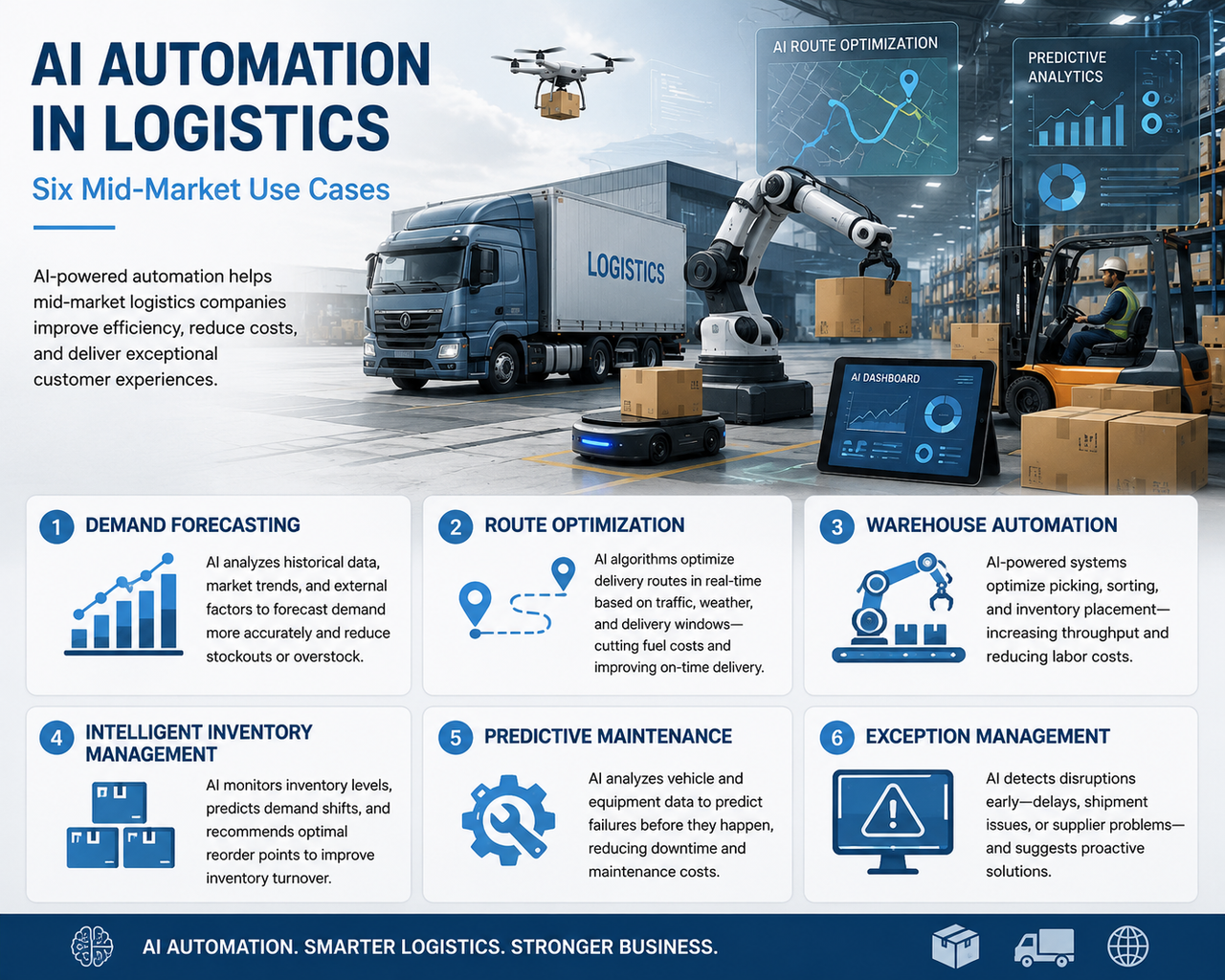
AI Automation in Logistics: Six Mid-Market Use Cases
Regional carriers, growing 3PLs, and multi-warehouse distributors are deploying AI automation now — not autonomous trucks, but six practical use cases that pay off. Here is where to start.
Why Financial Firms Outsource QA Testing
Financial firms are moving QA to specialized partners. The compliance drivers, test types, engagement models, and a vendor-selection checklist.
HIPAA-Compliant IT Staff Augmentation for Healthcare
Before you issue an RFP for augmented healthcare IT staff, know the HIPAA requirements: BAAs, minimum-necessary access, offboarding, and breach liability.
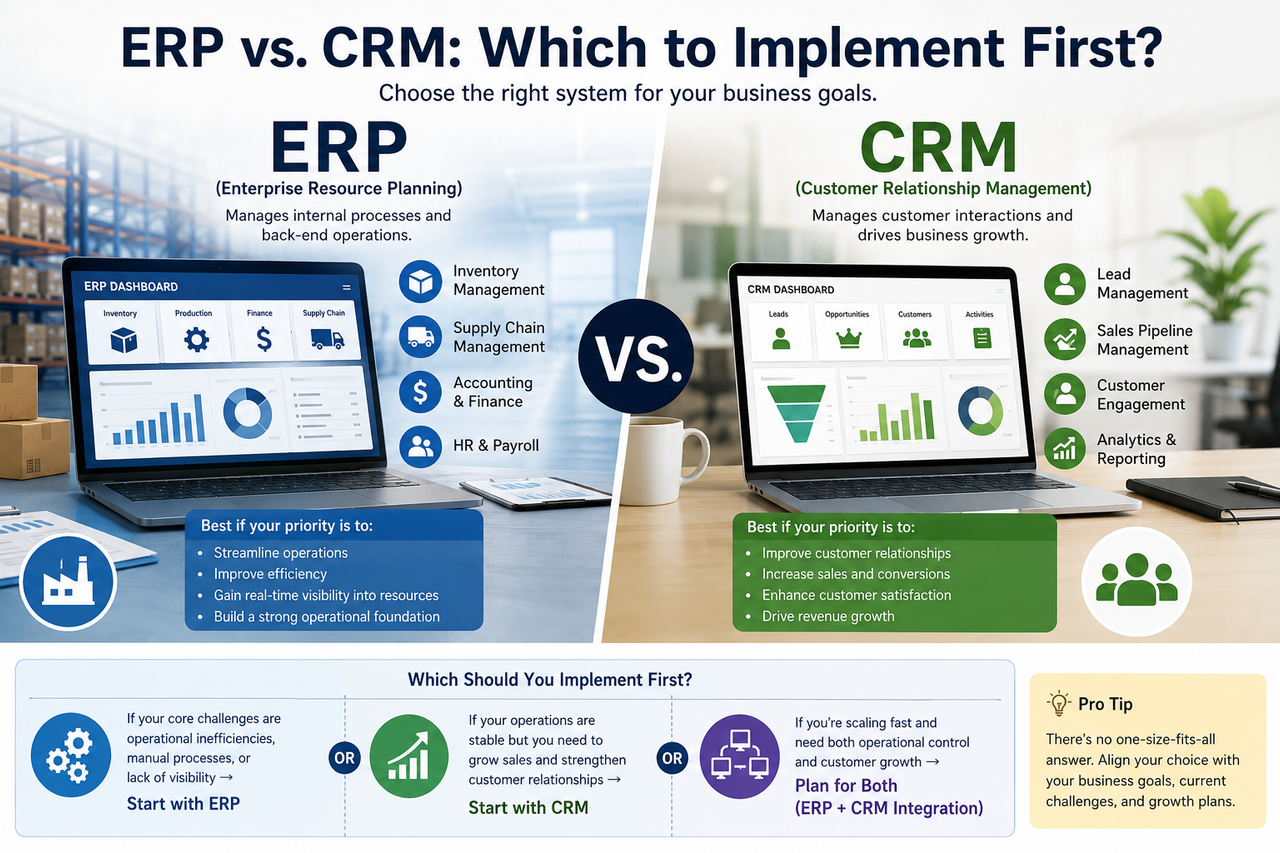
ERP vs. CRM: Which to Implement First?
A decision framework for mid-market ops and IT leaders on whether to implement ERP or CRM first, with scenarios, integration tips, and a phased roadmap.
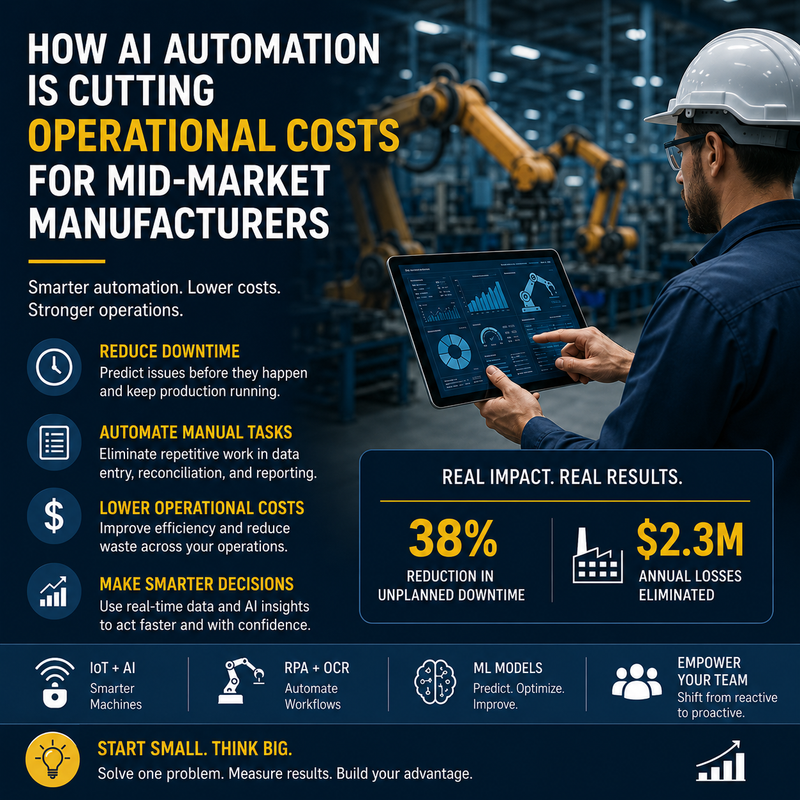
How AI Automation Is Cutting Operational Costs for Mid-Market Manufacturers
Mid-market manufacturers are quietly closing the gap on enterprise competitors by deploying targeted AI automation — without the $10M transformation budgets. Here's how.
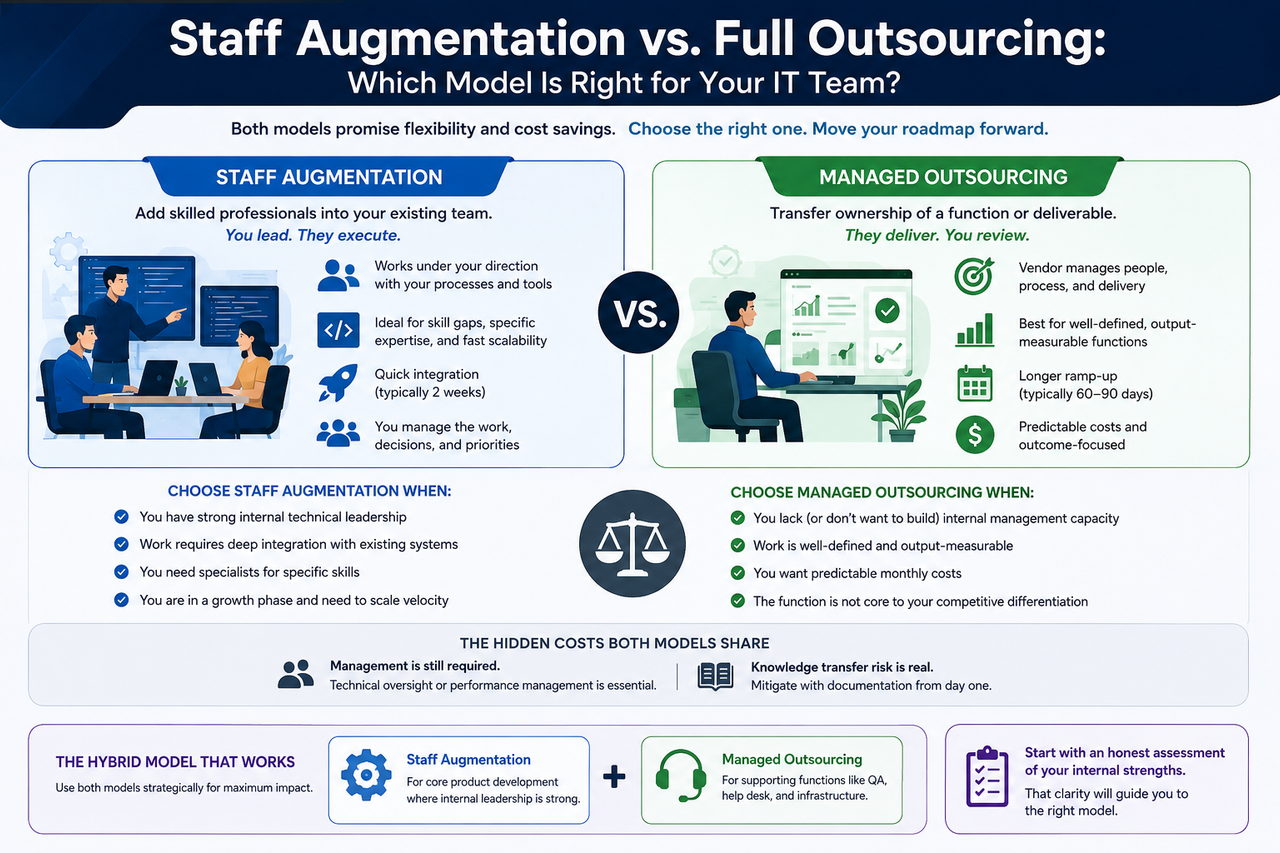
Staff Augmentation vs. Full Outsourcing: Which Model Is Right for Your IT Team?
Both models promise flexibility and cost savings. But choosing the wrong one for your situation can set your technology roadmap back by 18 months. Here's the framework we use with every client.
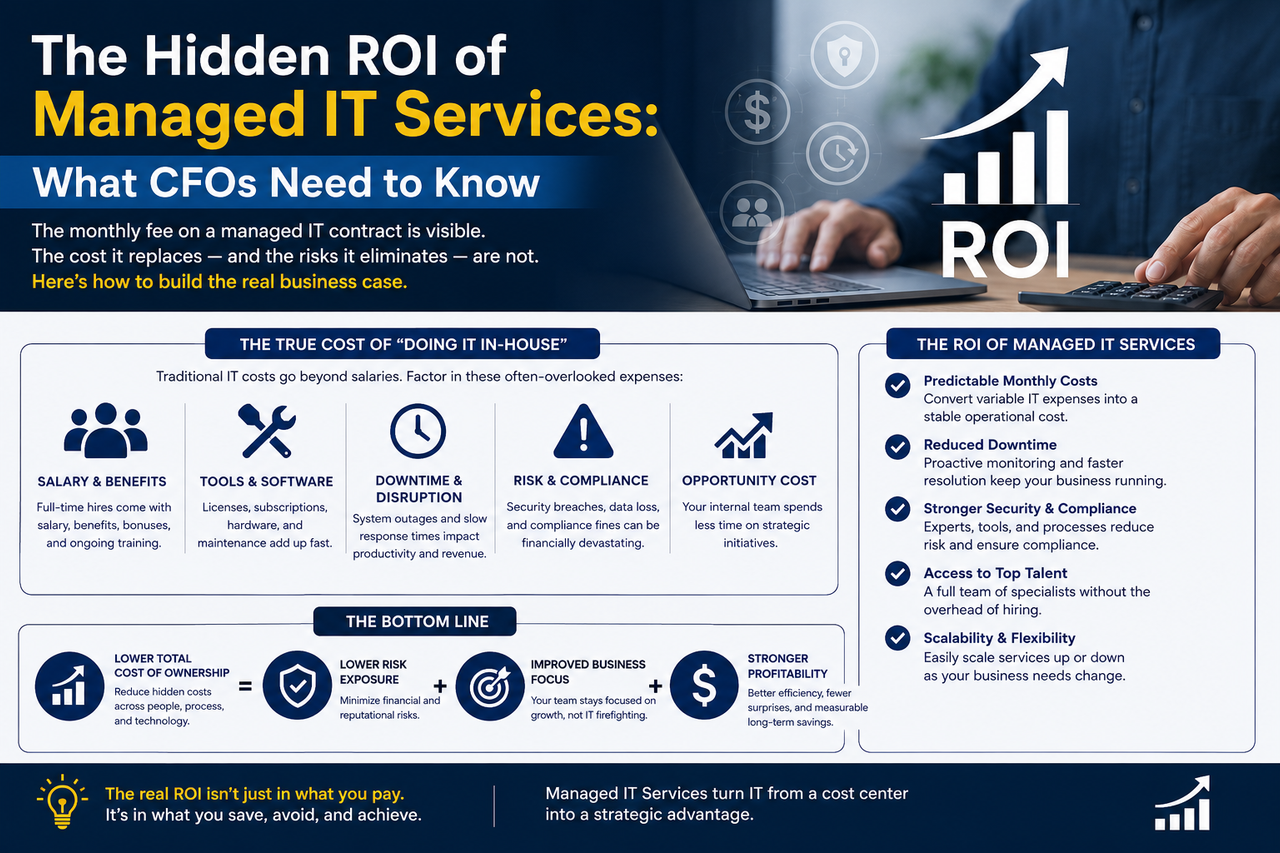
The Hidden ROI of Managed IT Services: What CFOs Need to Know
The monthly fee on a managed IT contract is visible. The cost it replaces — and the risks it eliminates — are not. Here's how to build the real business case.
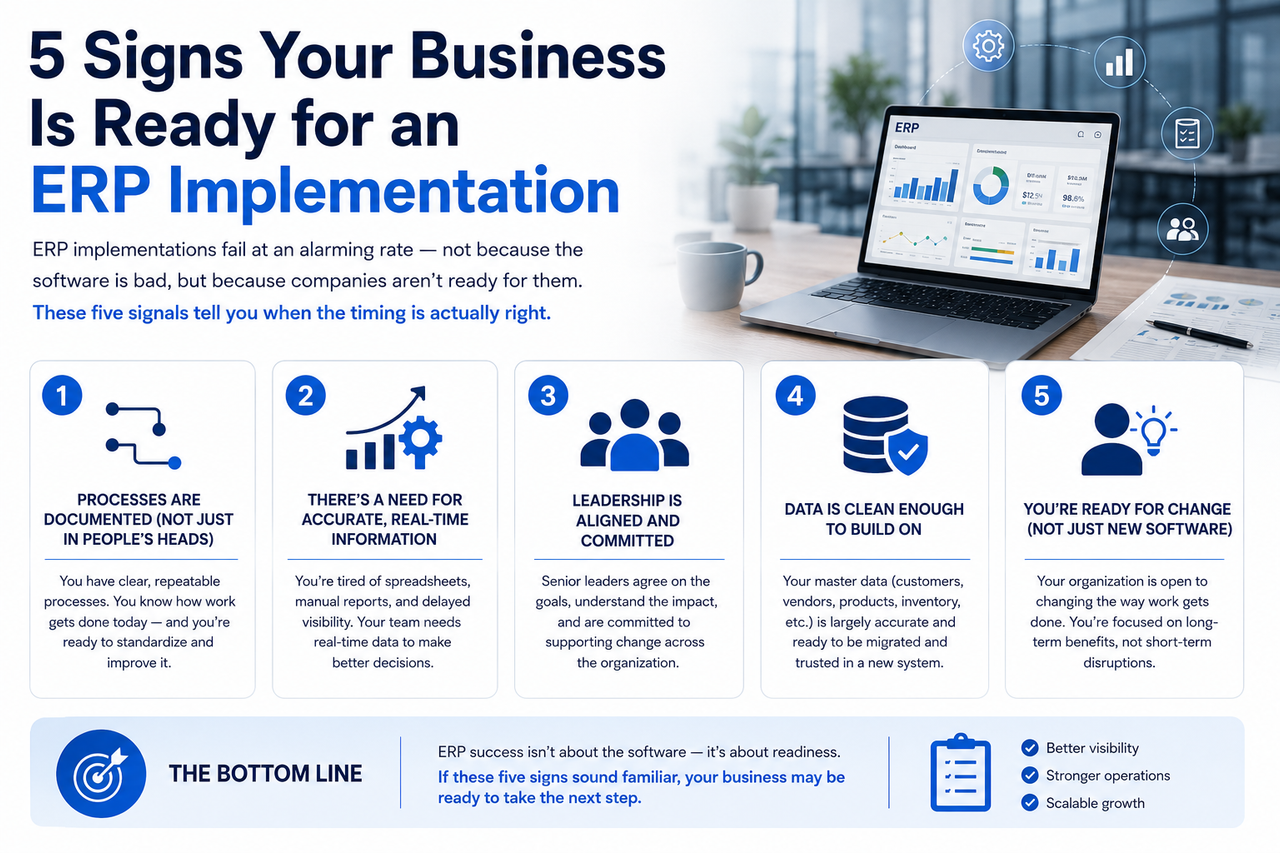
5 Signs Your Business Is Ready for an ERP Implementation
ERP implementations fail at an alarming rate — not because the software is bad, but because companies aren't ready for them. These five signals tell you when the timing is actually right.
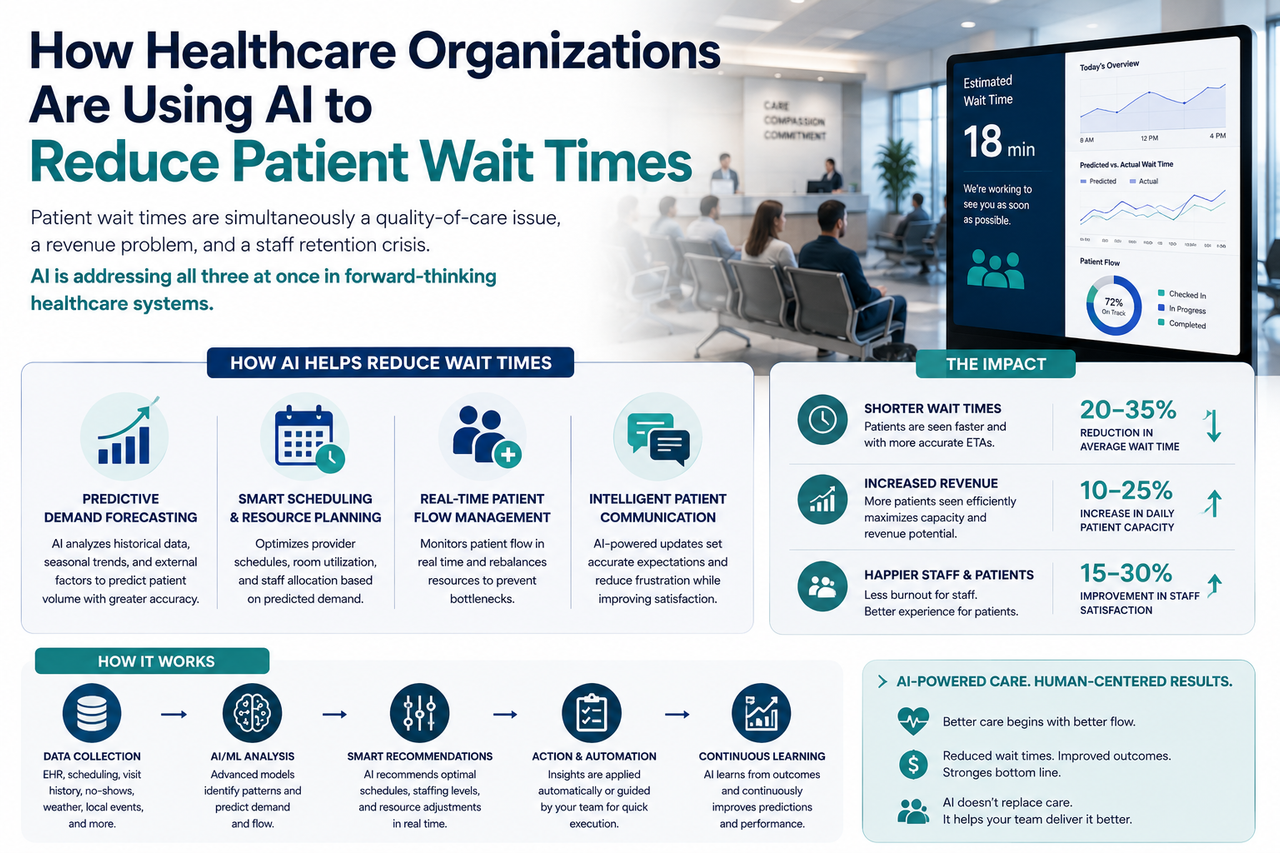
How Healthcare Organizations Are Using AI to Reduce Patient Wait Times
Patient wait times are simultaneously a quality-of-care issue, a revenue problem, and a staff retention crisis. AI is addressing all three at once in forward-thinking healthcare systems.
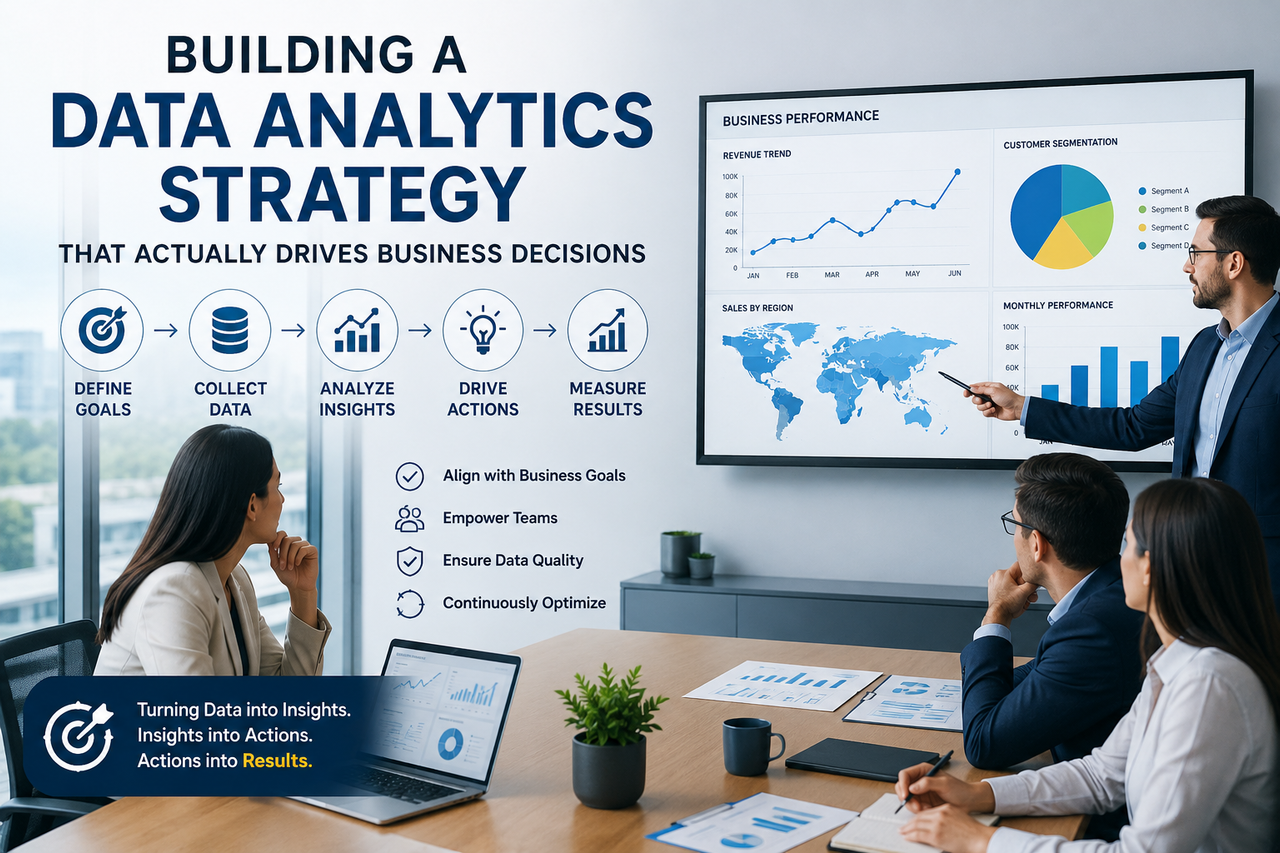
Building a Data Analytics Strategy That Actually Drives Business Decisions
Most companies have more data than they know what to do with. The ones that win aren't sitting on the biggest datasets — they're the ones who built a strategy for turning data into decisions.
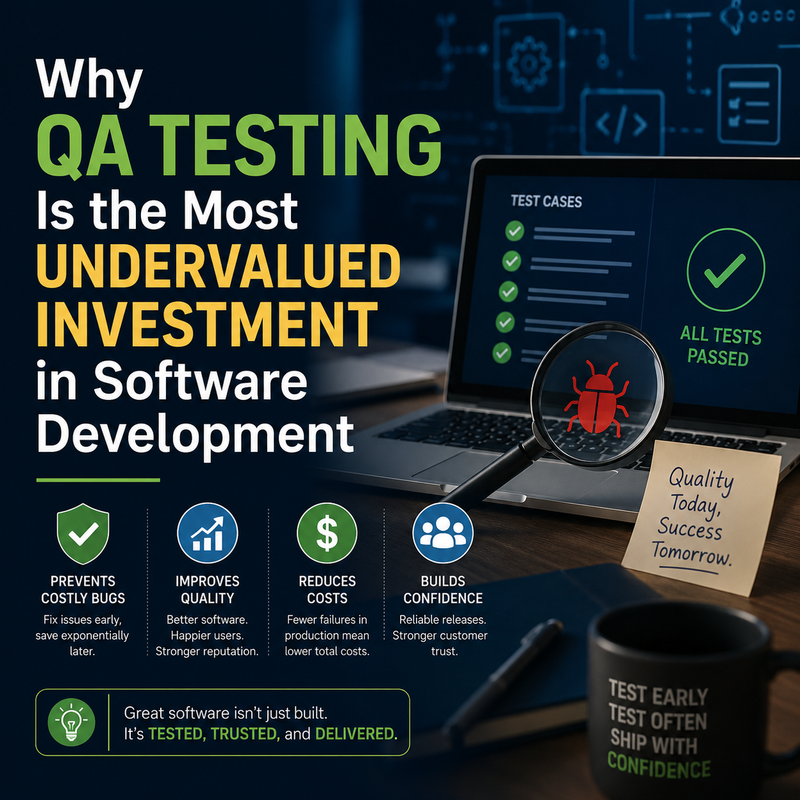
Why QA Testing Is the Most Undervalued Investment in Software Development
Companies routinely cut QA when budgets tighten. The math behind that decision is exactly backwards. Here's what the data actually says about the cost of finding bugs late.
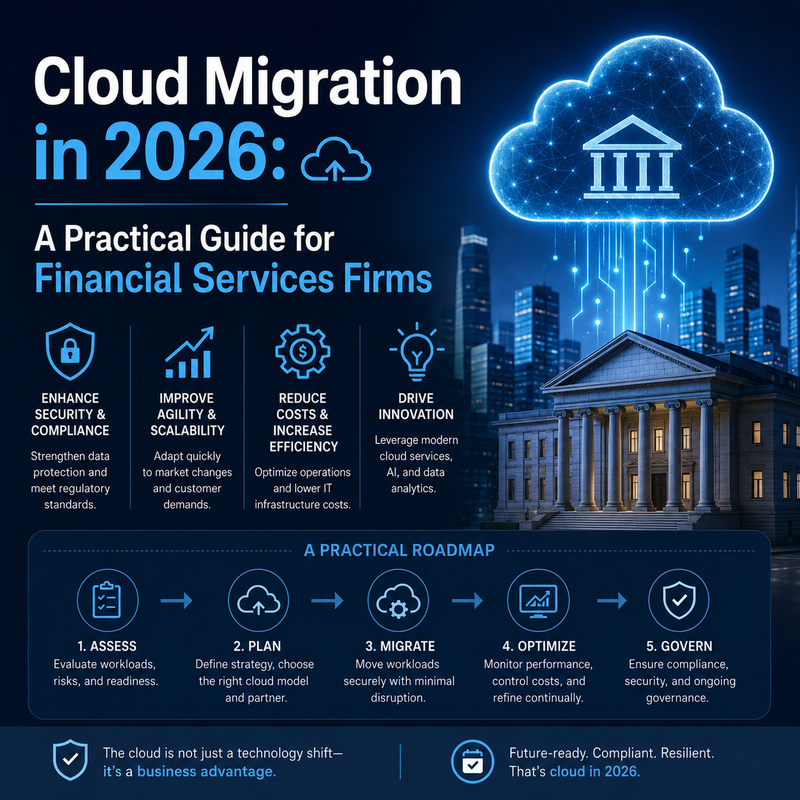
Cloud Migration in 2026: A Practical Guide for Financial Services Firms
Cloud migration in financial services isn't just a technology project — it's a regulatory, security, and operational transformation. Here's how firms are doing it successfully without blowing their compliance posture.
Ready to Apply These Insights?
Talk to our team about how these strategies can work for your specific business.
Schedule a Consultation